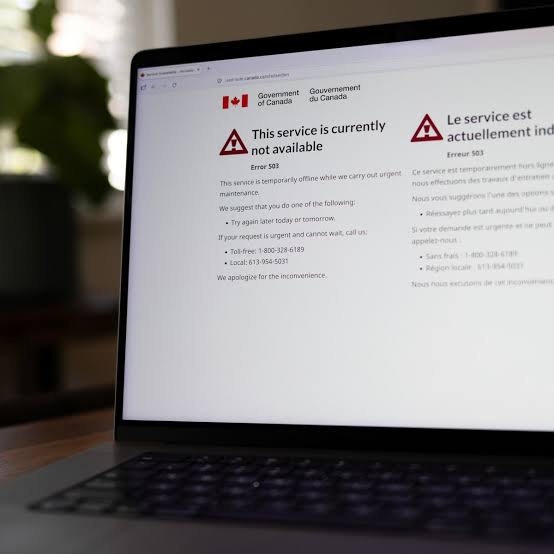
Some Canadian government websites were temporarily taken offline this week as federal officials moved to patch a serious security flaw in PHP, a programming language that reportedly underpins roughly 70% of the world’s websites. The precautionary shutdown, announced on Wednesday, October 21, 2026, highlights how a single weakness in widely used software can force governments and businesses around the world to act at the same time.
AI Minister Evan Solomon announced the takedowns in a social media post, saying some Government of Canada sites had been pulled “as a precaution.” He urged any organization that uses PHP to install the latest security updates as soon as possible and stressed that the problem is global, with other governments and organizations taking similar protective steps. As Global News first reported, affected sites will be brought back online once patches have been applied.
What Happened to Canadian Government Websites
The decision followed guidance from the Canadian Centre for Cyber Security, which is part of the Communications Security Establishment (CSE), Canada’s signals intelligence and cyber defence agency. The CSE referred questions about how many sites were affected and what mitigation steps were being taken to the Treasury Board, which did not immediately respond.
Taking Canadian government websites offline is an unusual and visible step, but it reflects a cautious approach. When a flaw is severe and attackers are already probing for it, removing exposed systems from the internet can be the safest option until fixes are in place.
Officials have not said publicly which services were affected or how long the outages might last. The government’s approach also serves as a signal to the private sector: if federal departments are willing to accept temporary disruption to close the gap, organizations with fewer security resources should treat the risk with at least the same urgency. Coordinated action matters because attackers typically scan the internet for unpatched systems soon after a flaw becomes public.
How the PHP Flaw Was Discovered
The vulnerabilities were disclosed by two cybersecurity firms: Calif, which worked with OpenAI, and Wiz, a firm owned by Google. Both companies used artificial intelligence models in their research and identified the flaws independently in August. Details became widely public on Wednesday, triggering a rush to patch.
PHP has been in use since 1995 and remains a foundational technology for websites of every size, from government portals to small business pages and content management systems. According to the reporting, left unpatched, the flaws could allow attackers to steal information, deface websites or take full control of affected systems, leaving millions of servers exposed. By Wednesday morning, Cloudflare’s chief technology officer said early attacks exploiting the weakness were already emerging.
What the Cyber Centre Recommends
The Cyber Centre issued guidance on Wednesday urging organizations to take three steps. First, immediately patch every PHP installation. Second, identify third-party products and services that rely on PHP and make sure they have been updated as well. Third, if a fix is not yet available, remove internet-facing applications from public networks until they can be secured.
Jason Gallaugher, chief technology and security officer at the Canadian Internet Registration Authority (CIRA), the organization that manages the .ca domain, described the situation as “a big deal” because of how widely PHP is deployed. He said most everyday internet users in Canada are unlikely to be directly affected and do not need to take extra steps unless they run a website. For those who cannot patch right away, he said taking a site offline is the recommended way to reduce risk.
Why Small Businesses Should Pay Attention
Gallaugher stressed that Canadian companies, including small businesses, need access to “the right people and expertise” so they can respond quickly when incidents like this occur. That is a significant challenge. Many small firms run websites on hosting platforms or off-the-shelf software without dedicated security staff, and they may not even know which components rely on PHP.
For these businesses, a practical first step is to contact their web host or developer to confirm whether their systems use PHP and whether patches have been applied. Online stores, booking systems and customer portals are especially important to check, since a compromise could expose customer data, disrupt sales and create legal and reputational problems. International cybersecurity authorities have also urged immediate patching, though the sheer spread of PHP has made that harder for some organizations.
What It Means for Investors and Markets
For investors, the episode is a reminder that cybersecurity risk is a business risk. A widespread vulnerability can lead to unplanned costs, service outages and data breaches that hurt revenue and reputation. Companies with strong security practices and fast patching processes are better positioned to limit damage, and investors may want to consider how well the firms they own manage technology risk.
The incident also underlines continuing demand for cybersecurity products and services, including threat detection, patch management and web application protection. The fact that the flaws were found with the help of AI models points to a broader trend: artificial intelligence is becoming a powerful tool both for defenders hunting for weaknesses and, potentially, for attackers seeking to exploit them. That dynamic could shape spending decisions across the technology sector in the years ahead.
For governments, the takedown of Canadian government websites raises questions about the resilience of public digital services. As more government functions move online, temporary outages can affect citizens trying to access information and services, which adds pressure to modernize and secure legacy systems.
Conclusion
The temporary shutdown of some Canadian government websites shows how seriously authorities are treating the newly disclosed PHP flaw. For most Canadians, no action is needed. For anyone who runs a website, however, the message from Ottawa and security experts is clear: patch now, check third-party software, and take vulnerable systems offline if a fix is not yet possible. In an environment where attacks can begin within hours of disclosure, speed has become one of the most important defences available.