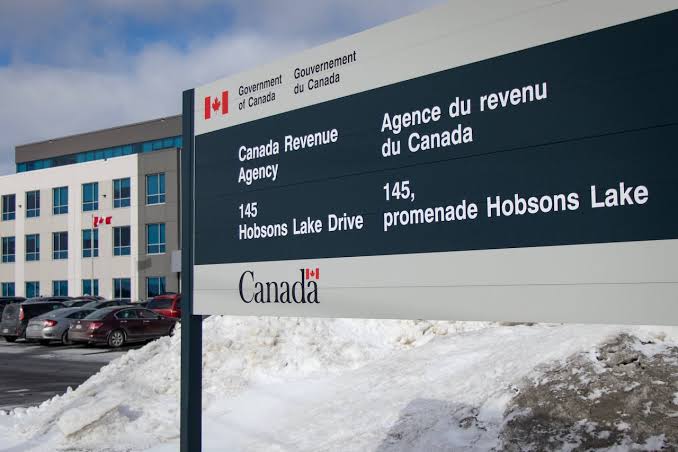
A CRA tax dispute involving one of British Columbia’s best-known property developers has taken a sharp turn. Companies controlled by Vancouver billionaire Terry Hui are alleging that the Canada Revenue Agency has engaged in what they describe as a “pattern of misconduct” in its efforts to collect tax debts that the companies say have ballooned over time and stretch back as far as 2007. The allegations, reported on October 21, 2026, have not been tested or proven in court, and the agency’s position on the specific claims was not detailed in the available reporting.
What the Companies Are Alleging
According to a report from The Canadian Press, the firms linked to Hui claim that the federal tax agency’s conduct in pursuing the debts amounts to a pattern rather than a series of isolated decisions. The phrase “pattern of misconduct” is a serious one in any legal context, because it suggests a sustained course of behaviour rather than a single error or disagreement over interpretation of the law.
The companies’ claims centre on how the CRA has gone about collecting amounts it says are owed, rather than solely on whether the underlying tax was correctly assessed. That distinction matters. In Canada, disputes over the correctness of a tax assessment generally proceed through objections and appeals, while complaints about how the agency exercises its collection powers can raise different legal questions, including procedural fairness. The detailed specifics of each alleged incident were not available in the summary reviewed for this article, and readers should treat every allegation as a claim made by one party to a dispute.
The Other Side: The CRA’s Mandate and Position
The Canada Revenue Agency is responsible for administering federal tax laws and collecting amounts owed to the Crown. Its officials have broad statutory powers to assess taxpayers, charge interest on unpaid balances and take collection action when debts remain outstanding. Those powers exist because the tax system depends on enforcement to remain fair to the millions of individuals and businesses who pay what they owe on time.
As a general practice, the CRA does not comment publicly on the affairs of specific taxpayers, citing the confidentiality provisions in federal tax legislation. That means the agency’s side of a dispute often emerges only through court documents or rulings rather than through public statements. It would be premature to conclude that the agency acted improperly based on allegations alone. Long-running tax collection files frequently involve complex corporate structures, competing interpretations of the law and years of correspondence, and courts weigh evidence from both sides before reaching any finding.
Why Old Tax Debts Can Grow So Large
One reason the reported debts are described as ballooning is the way interest works on unpaid tax in Canada. The CRA charges compound daily interest on overdue balances, and the prescribed rate is set quarterly. When a dispute drags on for many years, interest can eventually rival or even exceed the original amount assessed. Penalties may also apply in certain circumstances.
Taxpayers who believe delays were caused by the agency itself can ask for interest or penalty relief under the federal taxpayer relief provisions, though such requests are discretionary and not guaranteed. Whether any such request has been made in this matter was not part of the available reporting.
For ordinary Canadians and small business owners, the case is a reminder that unresolved tax balances rarely stay static. Professional advisers commonly recommend addressing disputed amounts early, keeping thorough records of all communication with the agency and understanding the deadlines that apply to objections and appeals, since missing them can narrow the options available later.
What the CRA Tax Dispute Means for Canadian Real Estate
Terry Hui is widely known as the head of Concord Pacific, the developer associated with large-scale residential projects in Vancouver, including the transformation of former Expo 86 lands along False Creek. The reporting identifies the parties as companies controlled by Hui, and investors should not assume that every entity in his broader business network is involved in the case.
Still, a high-profile CRA tax dispute involving a major developer is likely to draw attention across the real estate sector. Development companies typically rely on a combination of bank financing, presales and private capital. Lenders and partners pay close attention to contingent liabilities, including large tax claims, because those obligations can affect a borrower’s ability to service debt or secure new funding. Even when a company strongly contests a tax debt, the existence of the claim can complicate financing discussions.
The case also arrives at a sensitive moment for the B.C. housing market, where developers have faced higher construction costs, weaker presale demand and tighter credit conditions in recent years. Any legal or financial uncertainty attached to a prominent builder can ripple outward to project partners, contractors and buyers who have placed deposits on units.
Broader Questions About Tax Enforcement in Canada
Beyond the specific parties, the dispute touches on a long-standing debate about balance in tax enforcement. On one side, critics of the CRA have argued that collection actions can be heavy-handed and that taxpayers sometimes face lengthy delays in getting answers. Canada has a Taxpayer Bill of Rights and a Taxpayers’ Ombudsperson to address service complaints, and courts can review certain agency decisions.
On the other side, tax authorities and many policy experts stress that wealthy individuals and complex corporate groups have greater resources to contest assessments, which can stretch disputes across many years. From that perspective, persistent collection efforts are a necessary part of ensuring that large taxpayers meet their obligations. Both views will likely be reflected in public reaction as the matter proceeds.
Conclusion
The allegations by Terry Hui’s companies represent one side of a complicated and long-running matter, and they remain claims rather than established facts. The CRA, bound by confidentiality rules, is unlikely to set out its full position outside of legal proceedings. For investors and observers, this CRA tax dispute is worth watching both for what it may reveal about the agency’s collection practices and for its potential implications for one of Vancouver’s most prominent development groups. Any final determination will rest with the courts.