Canada-U.S. lobbyist tensions have reached a new flashpoint as a senior Trump adviser issued a blunt directive for Canadian representatives to leave the United States. Prime Minister Mark Carney has publicly laughed off the aggressive rhetoric, signaling a calm approach to what some analysts view as a brewing diplomatic rift.
The Incident: An Unconventional Directive
The controversy began when reports surfaced regarding a blunt message delivered to Canadian lobbyists working in Washington. An adviser associated with the Trump camp reportedly told these representatives to “get the hell out” of the U.S., a remark that departs from standard diplomatic discourse. This aggressive stance highlights the volatile nature of current cross-border political relations.
Rather than responding with immediate outrage, Prime Minister Carney chose to downplay the severity of the remark during a recent public appearance. By laughing off the suggestion, the Canadian leader is attempting to maintain a sense of normalcy in the bilateral relationship. This move is designed to reassure stakeholders that Canada remains committed to open lines of communication despite provocations.
Contextualizing the Diplomatic Friction
To understand the gravity of these Canada-U.S. lobbyist tensions, one must examine the current political climate. The relationship between Ottawa and Washington is often characterized by complex trade negotiations and deep integration in the energy and manufacturing sectors. Lobbyists play a critical role in bridging the gap between Canadian corporate interests and American regulatory frameworks.

The arrival of a new administration in the U.S. often brings shifts in personnel and policy strategies. When those changes include hostile rhetoric toward foreign entities, it creates uncertainty for investors markets and business owners who rely on stable international agreements. This incident is not just about lobbyist access, it is a symptom of a broader strategic shift in how the U.S. might engage with its northern neighbor.
Why Access Matters for Markets
The presence of lobbyists is essential for ensuring that Canadian companies have a voice in shaping legislation that impacts cross-border commerce. If the current U.S. administration enforces a policy of exclusion for foreign advocates, the long-term impact on trade efficiency could be significant. Markets thrive on predictability, and diplomatic antagonism creates the opposite effect.
Quantifiable Data on the Dispute
While the rhetoric is heated, it is important to observe the underlying stability of the relationship through existing figures and trade metrics. The following data highlights the scale of the economic partnership that remains at the heart of these discussions.
- Total annual trade in goods and services between Canada and the U.S. exceeds $1 trillion (USD).
- Number of U.S. states where Canada is the primary export destination: 34.
- Estimated number of jobs in the U.S. dependent on Canadian trade: 8 million.
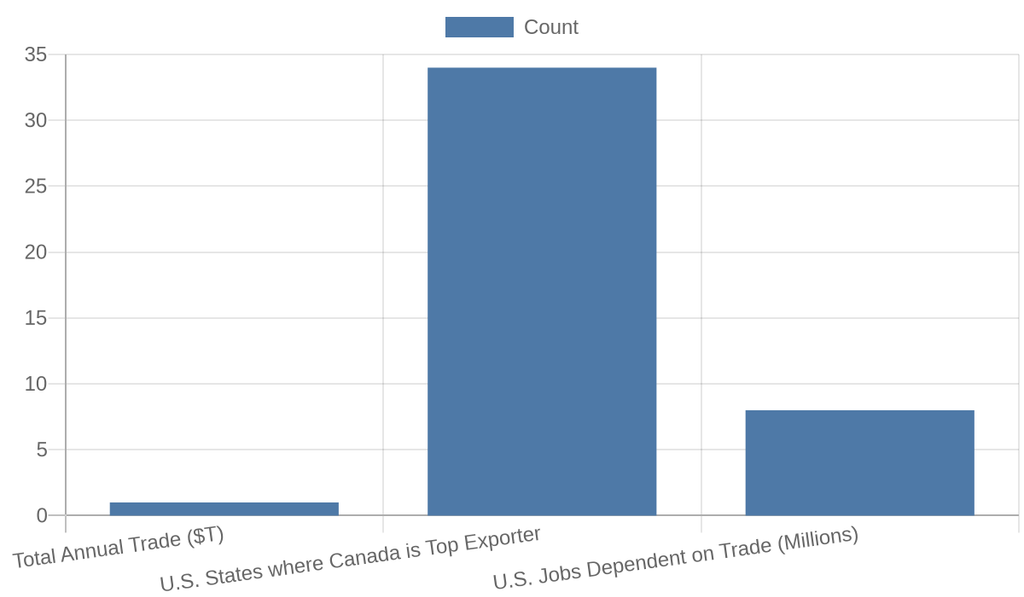
These figures illustrate the high stakes for both nations if Canada-U.S. lobbyist tensions continue to escalate into formal policy changes. For further analysis on trade trends, visit Global Affairs Canada.
Key Implications for Stakeholders
- Policy Uncertainty: Businesses must prepare for potential shifts in regulatory oversight that may limit their ability to influence future trade legislation.
- Strategic Realignment: Canadian firms may need to find new ways to advocate for their interests if traditional lobbying pathways are closed off by the U.S. administration.
- Market Volatility: Investors should monitor these diplomatic developments closely, as heightened tensions between the two nations often lead to sudden fluctuations in currency values and stock prices.
- Diplomatic Resilience: The ability of political leaders like Prime Minister Carney to remain composed is a critical factor in preventing minor disputes from spiraling into a broader economic crisis.
Broader Geopolitical Implications
Ultimately, this episode serves as a reminder of the fragility inherent in modern international alliances. As the world faces complex economic and [political](INTERNAL_LINK: politics) challenges, the U.S. and Canada remain tethered by their massive shared economy. While the rhetoric from Washington is undoubtedly aggressive, the structural requirements for trade stability suggest that mutual cooperation is a necessity rather than a choice. Prime Minister Carney’s decision to maintain a lighthearted posture serves to de-escalate the situation, suggesting that Canada views this as a transient political maneuver rather than an existential threat to its national interests.
Frequently Asked Questions
Did the Prime Minister respond seriously to the Trump adviser?
Prime Minister Carney chose to laugh off the comments, signaling that he does not see the aggressive rhetoric as a formal shift in official U.S. government policy.
Why are lobbyists important for Canada-U.S. relations?
Lobbyists help explain the impacts of potential U.S. policies on Canadian industry, ensuring that both nations can make informed decisions that avoid disruptions to the massive integrated economy.
Could these tensions impact the average consumer?
While the current dispute is primarily at the political and advocacy level, persistent trade tensions can eventually impact the cost of goods and the availability of resources across the border.
The information provided in this article is for general informational and educational purposes only. Markets, prices, and geopolitical conditions are subject to rapid change. Readers should consult qualified financial analysts or relevant experts before making decisions.