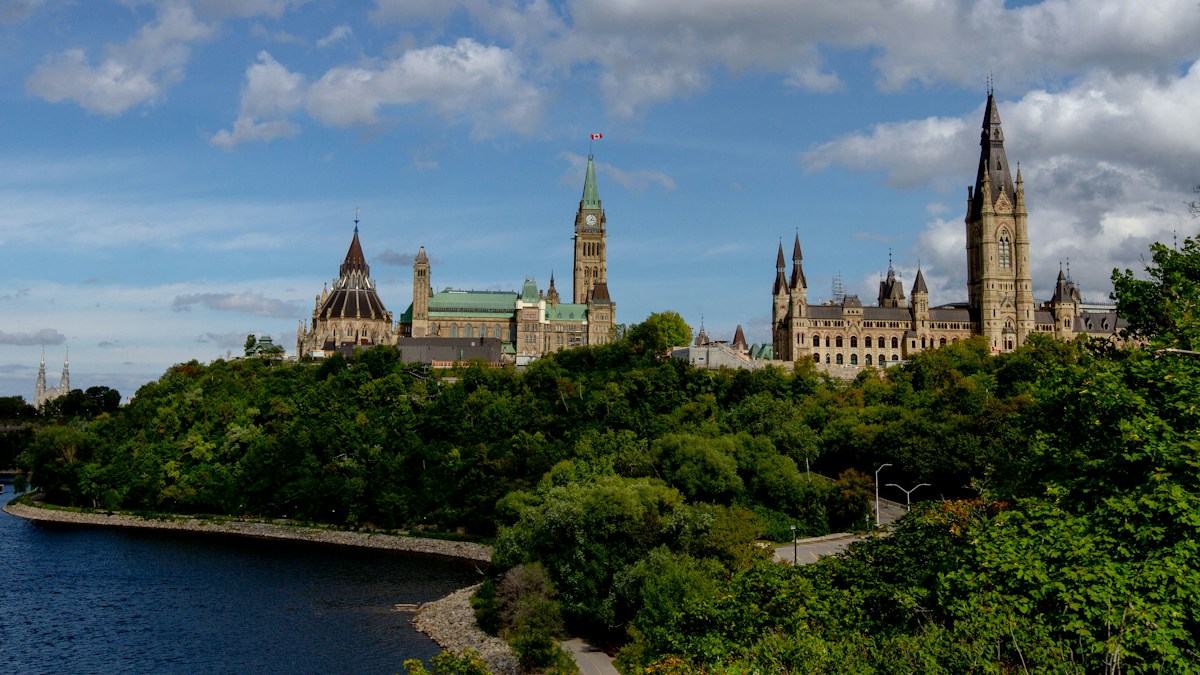
The Canadian political landscape is undergoing a profound transformation as federal priorities evolve in response to pressing economic demands and international trade dynamics. Recent major headlines across national networks like the CBC indicate that both the governing administration and parliamentary opposition parties are recalibrating their strategic platforms ahead of key legislative sessions. From structural tax reforms and defense spending increases to shifting immigration targets, Canadian voters and market analysts are witnessing a significant realignment in how public policy is debated across the nation.
Understanding the current trajectory of the Canadian political landscape requires analyzing how shifting public opinion interacts with parliamentary procedures. As federal leaders debate crucial initiatives regarding housing affordability, green energy transition funding, and interprovincial trade barriers, stakeholders across the private and public sectors are paying close attention. To explore detailed political analysis and governance updates, visit our dedicated Politics section.
7 Key Trends Transforming the Canadian Political Landscape
The ongoing evolution within Ottawa and provincial capitals reflects seven primary structural trends currently redefining Canadian public policy:
- Re-calibration of Federal Spending Priorities: Lawmakers are prioritizing targeted infrastructure investments and defense modernization while attempting to manage national debt service costs.
- Housing and Infrastructure Mandates: Provincial and federal authorities are accelerating project review protocols to expand housing supply and modernize municipal utility grids.
- Evolving Interprovincial Trade Policies: Provincial leaders are actively negotiating to reduce internal trade barriers, unlocking local market efficiencies for domestic businesses.
- Energy Transition and Regulatory Frameworks: Legislative debates regarding clean energy incentives, industrial carbon pricing, and resource development regulations continue to shape regional economic strategy.
- Defense and International Alliances: Broader geopolitical friction is accelerating political consensus around meeting international defense expenditure targets and securing maritime trade corridors.
- Public Healthcare Funding Debates: Premiers across multiple provinces are floating new cost-recovery models and residency requirements to address rising provincial healthcare operational expenses.
- Labor Market and Immigration Realignment: Federal policy adjustments regarding temporary resident volumes and specialized work permits are reshaping national employment dynamics.
These core factors highlight why policy analysts view the current legislative cycle as a pivotal turning point for governance nationwide.
Impact of Media Coverage and Parliamentary Debates on Policy Realignment
The narrative surrounding the Canadian political landscape is heavily influenced by continuous reporting from major media institutions. Daily coverage of House of Commons proceedings and parliamentary committee hearings provides the electorate with direct access to critical policy debates. When major news outlets highlight emerging trends in federal spending or regulatory shifts, public engagement surges, placing direct pressure on elected representatives to deliver actionable results.
This dynamic feedback loop between media reporting, parliamentary debate, and voter sentiment forces political strategists to remain remarkably agile. Consequently, long-term policy agendas are frequently refined to address immediate economic challenges and public concerns.
Market Implications and Strategic Outlook for Canadian Investors
For domestic and international investors, changes across the Canadian political landscape introduce both opportunities and strategic risks across key market sectors:
- Regulatory Certainty: Clear legislative guidance on energy projects and infrastructure approvals provides institutional capital with the confidence required for long-term project commitments.
- Fiscal Policy Impact: Shifts in government spending and taxation frameworks directly influence corporate earnings expectations, particularly within heavily regulated industries like banking and telecommunications.
- Economic Stability: Demonstrating strong public governance and maintaining balanced trade relations remain critical factors for sustaining foreign direct investment into Canadian capital markets.
Keeping track of political developments enables business leaders and financial analysts to adjust risk management models in response to shifting national policies.
Looking Ahead: The Future of Canadian Public Governance
As parliamentary sessions resume and electoral platforms take shape, the Canadian political landscape will remain highly dynamic. Elected officials must balance competing regional priorities with broader national goals, navigating complex domestic demands alongside shifting global economic conditions.
Ultimately, monitoring these political shifts provides valuable foresight into how future legislation will impact everyday citizens, local businesses, and national prosperity. Staying informed on these trends ensures that stakeholders are well-equipped to navigate the evolving Canadian policy ecosystem.
Frequently Asked Questions
What are the main drivers currently shaping the Canadian political landscape?
Key drivers include shifting economic conditions, housing affordability challenges, federal-provincial healthcare negotiations, and updated global trade and defense obligations.
How do political shifts in Canada influence global markets and foreign investment?
Policy decisions regarding regulatory approvals, taxation, and natural resource management directly impact market stability, determining how attractive Canadian industries are to international investors.
Why is tracking parliamentary reporting from national networks like CBC essential?
Following national news reporting offers early visibility into upcoming legislative initiatives, budget adjustments, and political debates before policies are enacted into law.