
Mark Carney recently dismissed Trump Canada apology claims by laughing at the suggestion that the country would be forced to offer an apology within three to four weeks. The former Bank of Canada governor highlighted the absurdity of the premise during a high-profile interview as political tensions between the two nations continue to mount. This exchange underscores the widening gap in diplomatic rhetoric regarding international trade policy and cross-border relations.
Understanding the source of the tension
President-elect Donald Trump has recently ramped up his rhetoric concerning trade and border security, specifically targeting Canada. His assertion that Canadian officials would soon be seeking an apology for their current policies suggests a move toward aggressive tariff threats or economic leverage. This type of brinkmanship is becoming a hallmark of the new administration’s approach to dealing with G7 partners.
Observers note that the timing of these comments aligns with broader discussions on North American energy independence and border enforcement. By framing the situation as a pending victory for the United States, Trump is attempting to set the narrative before formal negotiations even begin. However, officials like Carney remain skeptical of such predictions, viewing them as political theater rather than grounded diplomatic strategy.
Why these trade threats matter
The relationship between the United States and Canada is the backbone of the North American economy, with massive daily trade volumes. Any disruption to this flow, particularly through blanket tariffs, could result in significant price hikes for consumers in both nations. Carney and other economic experts argue that the integrated nature of the auto and energy sectors makes these threats particularly dangerous for stable growth.
Beyond the raw economic data, there is a psychological element at play. Markets often react poorly to uncertainty, and the volatility created by public ultimatums can discourage long-term foreign investment. Investors are watching closely to see if the rhetoric escalates into formal executive orders or if it remains confined to social media posts and public rallies.

Analyzing the economic framework
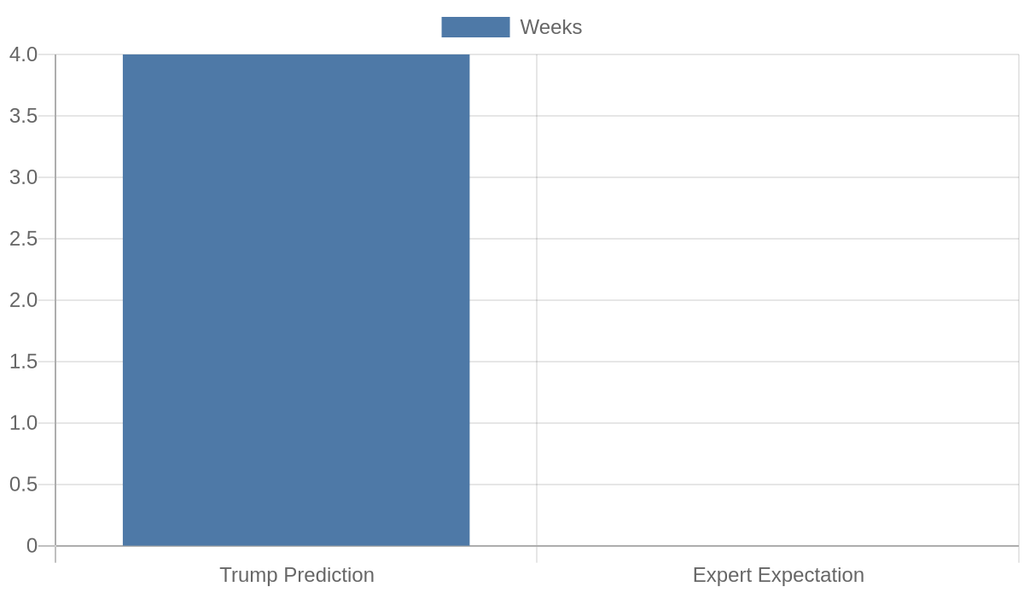
When evaluating the potential impact of these policies, it is essential to look at the existing trade agreements that govern the continent. Current US-Canada trade dynamics remain deeply interconnected, and historical trends show that protectionist measures often trigger reciprocal actions from partners. The following table highlights key aspects of the current rhetoric versus established economic reality.
| Feature | Reported Trump Stance | Economic Consensus |
|---|---|---|
| Expected apology timeline | 3 to 4 weeks | Highly unlikely |
| Trade policy approach | Aggressive tariffs | Negotiated cooperation |
Broader implications for North America
- Market Uncertainty: Increased volatility in the energy and manufacturing sectors could follow if specific tariff timelines are announced without prior consultation.
- Diplomatic Friction: The tone set by the President-elect complicates the ability of Canadian diplomats to find common ground on critical security and intelligence sharing.
- Supply Chain Risk: Businesses operating in both countries face the prospect of adjusting their logistics and inventory strategies to hedge against potential border closures or delays.
- Investor Caution: Institutional investors may adopt a wait and see approach until the legislative reality of these proposed trade policies is clarified.
Economic integration and the path forward
Despite the heated nature of these exchanges, the underlying economic reality is that Canada and the United States remain each other’s largest trading partners. History indicates that while political rhetoric can be extremely combative, the actual implementation of trade policy is often subject to the limitations of global supply chains and established international law. Ultimately, the stability of the relationship depends on whether both sides prioritize long-term economic prosperity over short-term political posturing. For now, experts like Carney seem to be betting that the reality of the bilateral partnership will eventually override the most extreme predictions made on the campaign trail.
Frequently Asked Questions
Why did Mark Carney laugh at the claim?
Mark Carney’s reaction reflected a deep skepticism toward the idea that a sovereign nation like Canada would be compelled to issue an apology within such a short timeframe due to current trade pressure.
What are the main concerns regarding US-Canada trade?
The primary concerns center on the potential for new tariffs, which could disrupt highly integrated industries like automotive manufacturing and energy production, leading to increased costs for consumers.
How do markets typically react to these types of statements?
Markets generally dislike uncertainty, so high-profile threats regarding trade policy can lead to increased volatility and a reduction in long-term capital investment until a clearer picture of future policy emerges.
The information provided in this article is for general informational and educational purposes only. Markets, prices, and geopolitical conditions are subject to rapid change. Readers should consult qualified financial analysts or relevant experts before making decisions.