Recent projections from Deloitte indicate a slowing pace of economic activity in Canada that is expected to persist well into 2027. This shift in the national financial landscape reflects broader challenges facing the domestic market in the coming years. Investors and policymakers alike are watching these indicators closely to navigate the changing environment.
The reality of Canada’s economic slowdown
Deloitte’s latest analysis suggests that the country is entering a period characterized by more modest growth compared to previous post pandemic recovery phases. While the economy has shown resilience in various sectors, the cooling trend is becoming increasingly apparent across core indicators.
This forecast serves as a critical update for businesses planning long term capital investments. As growth rates stabilize at lower levels, companies may need to adjust their expectations regarding consumer spending and demand for services. Understanding this market trend markets is essential for maintaining portfolio stability.
Contextualizing the economic horizon
To understand why experts are highlighting a slowing pace of economic activity in Canada, one must look at the transition from high interest rate environments to a new normal. Previous surges in activity were fueled by rapid consumption and government intervention, factors that have largely played out or are being reined in by central bank policies.
International organizations like the Bank of Canada continue to monitor domestic conditions as they balance inflation targets against the need for growth. The upcoming years represent a period of adjustment where structural weaknesses may come to the forefront as the initial momentum from the post pandemic reopening fades.
What this shift means for investors
When growth slows, the traditional strategies of portfolio management often undergo a transformation. A lower growth environment frequently leads to tighter margins for corporations, which in turn can influence stock market valuations and debt service capabilities.
Investors are encouraged to look toward sectors that maintain defensive qualities or those that are less sensitive to macroeconomic fluctuations. While a slowing pace of economic activity in Canada does not necessarily imply a recession, it does suggest that the ease of capital accumulation seen in high growth phases is unlikely to return in the immediate future.
Key data points from the report
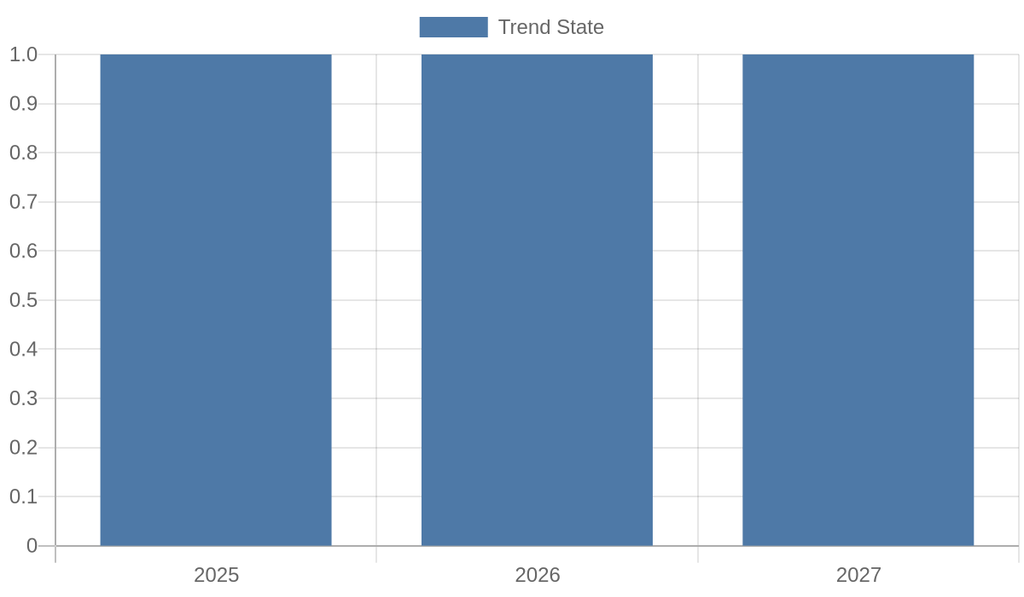
Deloitte’s outlook relies on a series of projections that weigh current inflation metrics against interest rate cycles. The following figures highlight the trajectory expected for the next few years:
| Indicator | Projected Trend |
|---|---|
| 2025 Economic Growth | Moderate pace |
| 2026 Economic Growth | Sustained moderation |
| 2027 Economic Growth | Continued stabilization |
Core implications for the national economy
- Investment caution: Companies are likely to be more selective with capital projects, prioritizing debt reduction over aggressive expansion.
- Consumer behavior: Household spending is expected to remain tempered as individuals focus on managing high levels of debt amid higher for longer interest rates.
- Policy adjustment: Government fiscal policy may face increasing pressure to stimulate growth without reigniting inflationary fires.
- Market volatility: As the economy enters a slower phase, sector rotations may become more frequent as investors hunt for yield in a landscape with fewer broad based gains.

Examining the broader landscape
Beyond domestic borders, Canada remains tied to global demand and the health of major trading partners. The geopolitical climate and the performance of key sectors like energy and technology play a significant role in determining whether the forecasted moderation will be a soft landing or something more challenging.
By focusing on sustainable growth, the Canadian economy may find itself better positioned to handle future shocks once the current period of moderation concludes. For now, a disciplined approach remains the most prudent path for market participants.
Frequently Asked Questions
Why does Deloitte expect lower economic growth for Canada?
Deloitte anticipates that the exhaustion of post pandemic demand and current interest rate levels will lead to a more restrained economic environment through 2027.
How should investors react to this economic outlook?
Investors are generally advised to focus on high quality assets and defensive sectors that can withstand periods of slower growth rather than relying on broad market momentum.
Does this forecast guarantee a recession in Canada?
No, the projection describes a slowing pace of activity, which refers to lower rates of growth rather than a definitive, widespread contraction of the national economy.
Disclaimer
The information provided in this article is for general informational and educational purposes only. Markets, prices, and geopolitical conditions are subject to rapid change. Readers should consult qualified financial analysts or relevant experts before making decisions.