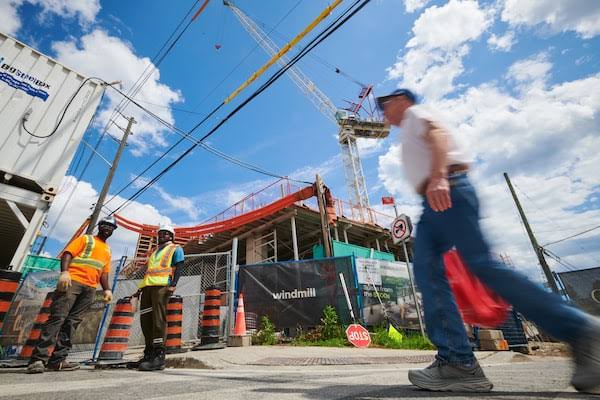
Developers in the Toronto condo market are increasingly abandoning plans to sell units to individual buyers and are instead converting projects into purpose-built rental buildings. The shift, highlighted in a recent report by CTV News, reflects a deep slump in pre-construction condo sales and a policy environment that has become more supportive of rental construction. It also raises important questions about how quickly the region can add the housing that governments say it urgently needs.
One example is Toronto developer Matt Young, who had originally intended to sell condominiums in the first phase of a major housing development along St. Clair Avenue East in Scarborough. Like a growing number of his peers, he has looked to rentals instead. The broader context, as the report notes, is that governments want more homes built, yet data show developers are not building fast enough to meet those goals.
Why the Presale Model Has Broken Down
For decades, most new condo towers in the Greater Toronto Area were financed through presales. Developers sold units off floor plans years before construction finished, and lenders typically required a large share of units to be sold before they would provide construction financing. Much of that demand came from investors who planned to rent out their units or sell them on completion for a profit.
That model has come under severe strain. Higher interest rates in 2022 and 2023 sharply increased carrying costs for investors, while rents in many new condo units no longer covered mortgage payments, property taxes and condo fees. At the same time, completed condo prices in parts of the city softened, removing the expectation of quick capital gains. Pre-construction sales in the region fell to their lowest levels in decades, according to industry trackers, leaving many projects unable to reach the sales thresholds lenders require.
The Case for Purpose-Built Rentals
Rental buildings follow a different financial logic. Instead of depending on hundreds of individual buyers, a developer can secure long-term financing and hold the building as an income-producing asset, or sell it to an institutional owner such as a pension fund or real estate investment trust. Demand for rental housing in Toronto has remained strong because high home prices keep many households renting for longer.
Government policy has also tilted the field. In 2023, Ottawa removed the GST on new purpose-built rental construction, and Ontario followed by removing the provincial portion of the HST. Federal low-cost financing for rental projects through Canada Mortgage and Housing Corporation has been expanded in recent years. Together, these measures can make the economics of a rental tower work in situations where a condo project would stall. Readers can find more detail on the trend in this CTV News report on builders shifting to rentals.
What the Shift Means for the Toronto Condo Market
The pivot has several implications for the Toronto condo market. In the short term, fewer new condo launches mean less future supply of units for sale, which could eventually support prices once the current glut of completions is absorbed. Many towers launched during the boom years are now finishing construction, adding to resale inventory and keeping pressure on prices and rents in some segments.
For individual investors who own condo units, more purpose-built rentals mean added competition for tenants. Professionally managed rental buildings often offer amenities, on-site maintenance and longer-term stability that individual landlords may struggle to match. That competition could limit rent growth for small investors who bought units expecting steady increases.
The Housing Supply Problem Remains
Converting projects to rentals keeps some developments alive, but it does not fully solve the supply challenge. Ontario has set a goal of building 1.5 million homes by 2031, and the federal government has made housing construction a central policy priority. Yet the gap between targets and actual housing starts has remained wide. Rental projects can take time to redesign, re-approve and refinance, and not every condo project can be converted economically, particularly where land was purchased at peak prices.
Development charges, approval timelines and construction costs remain major hurdles. Builders and municipalities have debated for years how much of the cost of new infrastructure should be loaded onto new homes. Many in the industry argue that lowering these charges and speeding approvals would do more to boost supply than any single financing program.
Location also shapes which projects can make the switch. Large sites outside the downtown core, such as the St. Clair Avenue East development in Scarborough, may be well suited to rental phases because they can be built in stages and leased up over time. Suburban areas with transit access and relatively lower land costs could become more attractive for rental builders, gradually spreading new apartment supply beyond the downtown towers that dominated the last condo cycle.
Opportunities and Risks for Investors
For public market investors, the trend may favour companies and REITs that own and operate rental apartments, as well as lenders active in construction financing for multi-family projects. Institutional capital has shown strong interest in Canadian rental housing because of its steady cash flows and persistent demand.
The risks are real, however. Rental projects depend heavily on government-backed financing terms and tax relief, which could change with future budgets. Rent growth in Toronto has also cooled in some segments as new supply arrives and population growth slows following federal changes to immigration and temporary resident levels. Investors should examine each company’s development pipeline, financing costs and exposure to specific neighbourhoods.
Conclusion
The move by builders such as Matt Young to turn planned condos into rentals captures a broader transformation in the Toronto condo market. With investor demand for presales weak and policy support for rentals stronger, purpose-built apartments have become a more viable path for many projects. That shift may keep cranes moving, but it will not by itself close the gap between housing targets and actual construction. For households, renters and investors alike, the pace at which the region adapts its building model will shape affordability for years to come.